Not long ago, “digital art” sounded like a qualifier — art, but on a screen. Today the screen is simply where culture lives, and the qualifier has quietly fallen away.
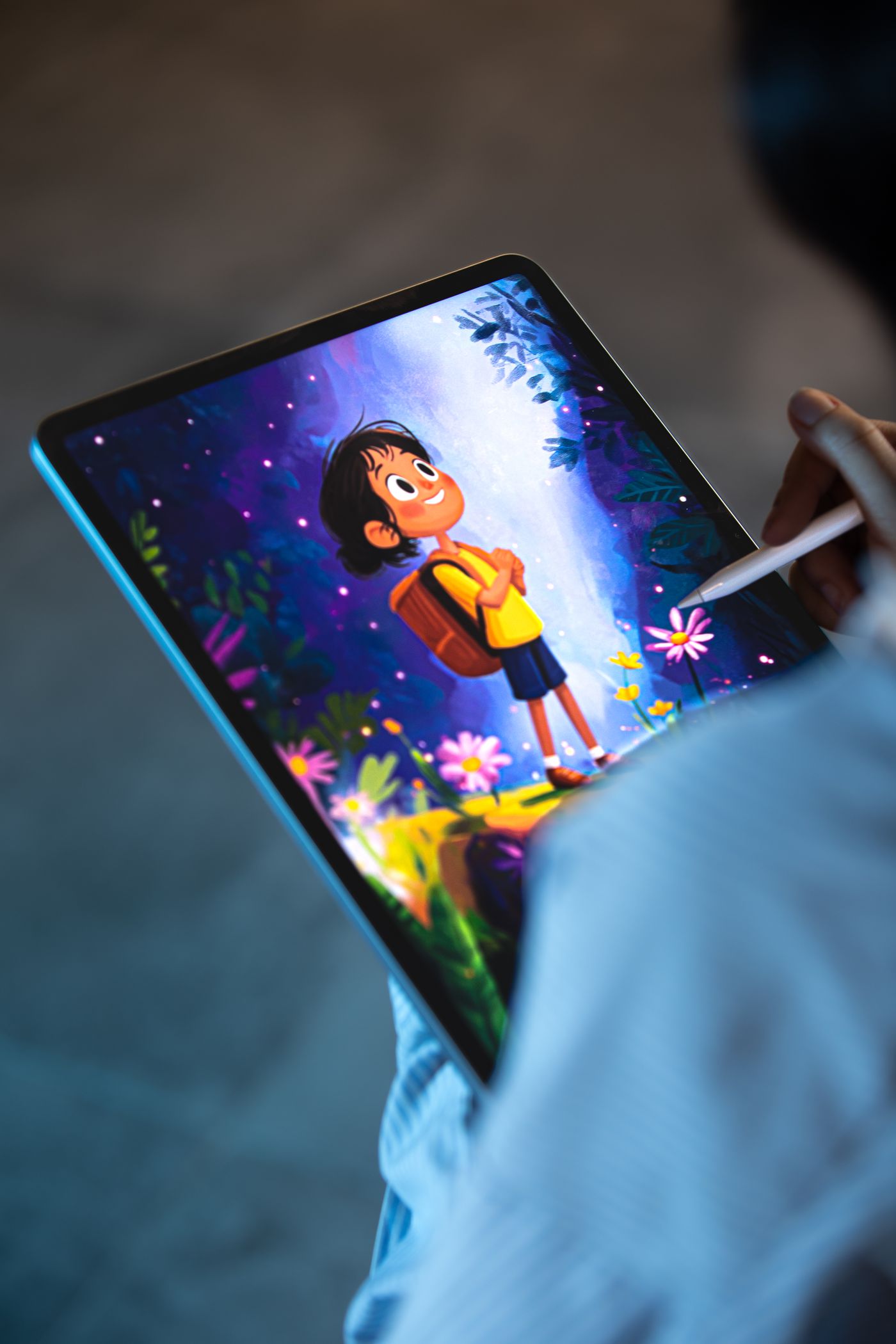
Exploring how digital art is becoming a significant part of contemporary culture means looking beyond auction headlines. The real story is happening in bedrooms, discords, and side streets: teenagers minting their first pieces, museums projecting generative works across facades, brands commissioning illustrators who learned everything on a tablet.
From niche to native
A generation raised on cameras-in-pockets never learned the old hierarchy of media. For them, a looping animation, a game skin, and a canvas carry equal weight. Galleries noticed: hybrid shows that pair physical prints with their digital originals now draw the youngest crowds in the building.
Tools tore down the gate
Free brushes, phone studios, and one-click publishing removed the two historic barriers — cost and permission. The result is an explosion of voices that art schools and dealers would once have filtered out, and the culture is richer for the noise.
“Every new medium is first dismissed as a toy, then embraced as a tool, then remembered as an era.”
Ownership changed the economics
Programmable provenance let digital artists do what painters always could: sell the original, keep royalties, and build a collector base directly. The mechanics are still maturing, but the direction is set — creators closer to their audience, middlemen fewer and thinner.

Where it goes next
- Physical and digital shows keep merging into single exhibitions.
- Collectors buy editions the way readers buy first printings.
- Schools teach creative coding next to color theory.
- The next masters are posting work free, right now, somewhere.
Call it digital art or just call it art. Either way, it is influencing how every form of media looks, moves, and gets made.