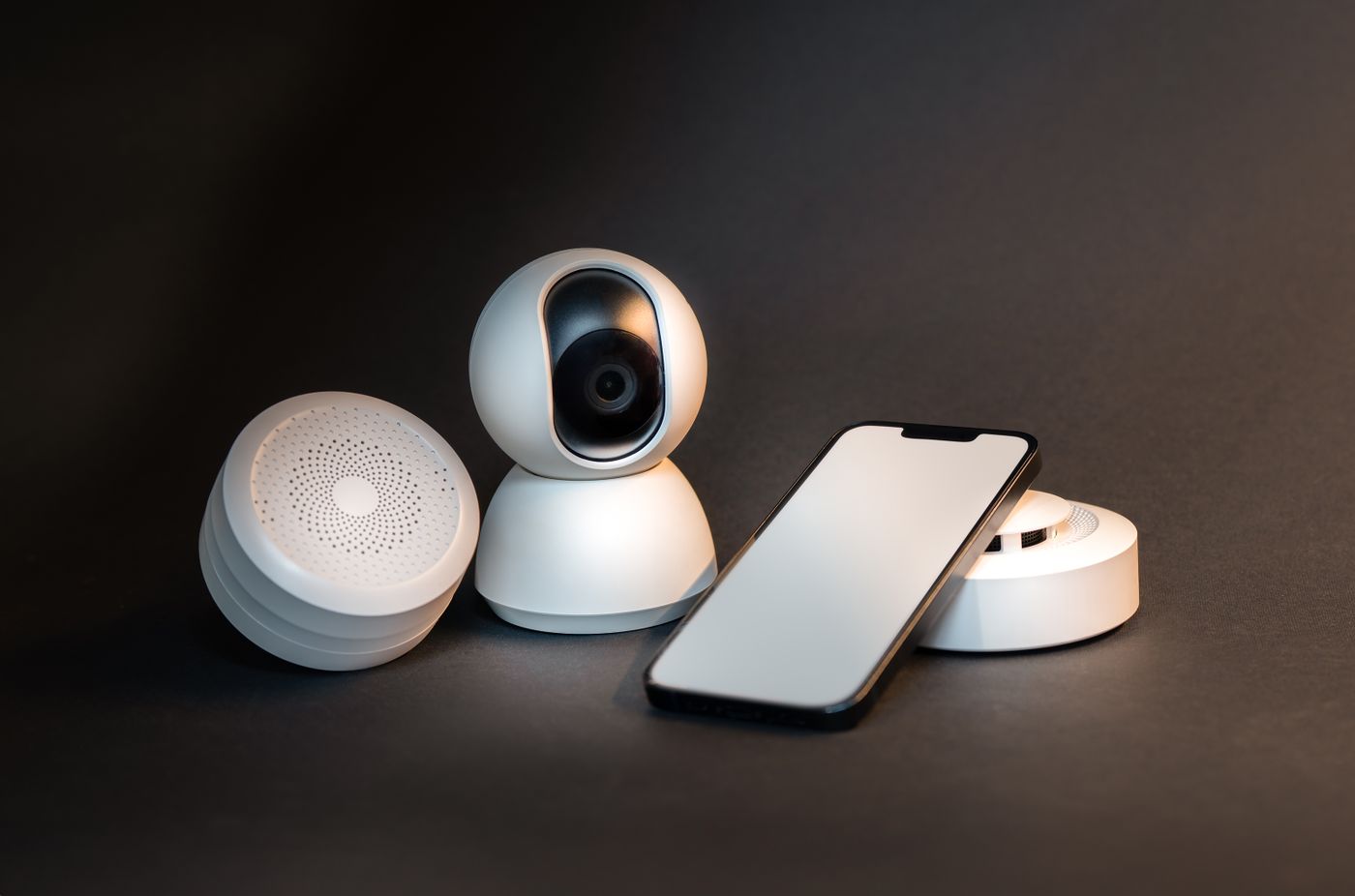
The lights know when you’re home. The thermostat knows when you sleep. The question is no longer what your house can learn — it’s what you’re comfortable teaching it.
A look at the potential benefits and privacy concerns associated with smart home technology has to hold two truths at once: these devices genuinely help people, and they genuinely watch them. Both statements survive scrutiny.
The case for convenience
For elderly residents, voice-controlled everything is independence. For busy households, it’s lower bills and fewer worries — leaks caught early, doors confirmed locked from the train, heating that learns the rhythm of a week. The accessibility story alone justifies the category.
The case for caution
Every sensor is a record: of presence, routine, conversation, and company. Breaches turn intimate data into leverage; vague policies turn it into product. A device that never forgets deserves more skepticism than a gadget that merely entertains.
“A smart home should be a butler, not a biographer. It should serve the household — and forget the details.”
The middle path: local first
The most promising shift is processing that stays inside the house. Local hubs, on-device voice recognition, and open standards mean the smarts without the surveillance. When you shop, ask three questions: does it work offline, what leaves my network, and how do I delete it all?

A buyer’s checklist
- Prefer devices that work fully offline or on a local hub.
- Read the data-retention policy before the feature list.
- Segment gadgets on a guest network, away from laptops.
- Review and purge stored recordings every few months.
Convenience or intrusion isn’t a property of the technology — it’s a property of the setup. Configure deliberately, and the future feels like help, not surveillance.