They don’t trend. They show up — every Saturday, every term, every winter — until a street becomes a neighborhood and strangers become a safety net.
Celebrating ordinary people who make extraordinary contributions to their communities is the oldest story in journalism and still the most underreported. We spent a month with five of them: a food-bank driver, a midnight coder teaching teens, a retired nurse running a walking club, a barber giving free cuts before job interviews, and a librarian who turned a basement into a repair café.
Consistency beats intensity
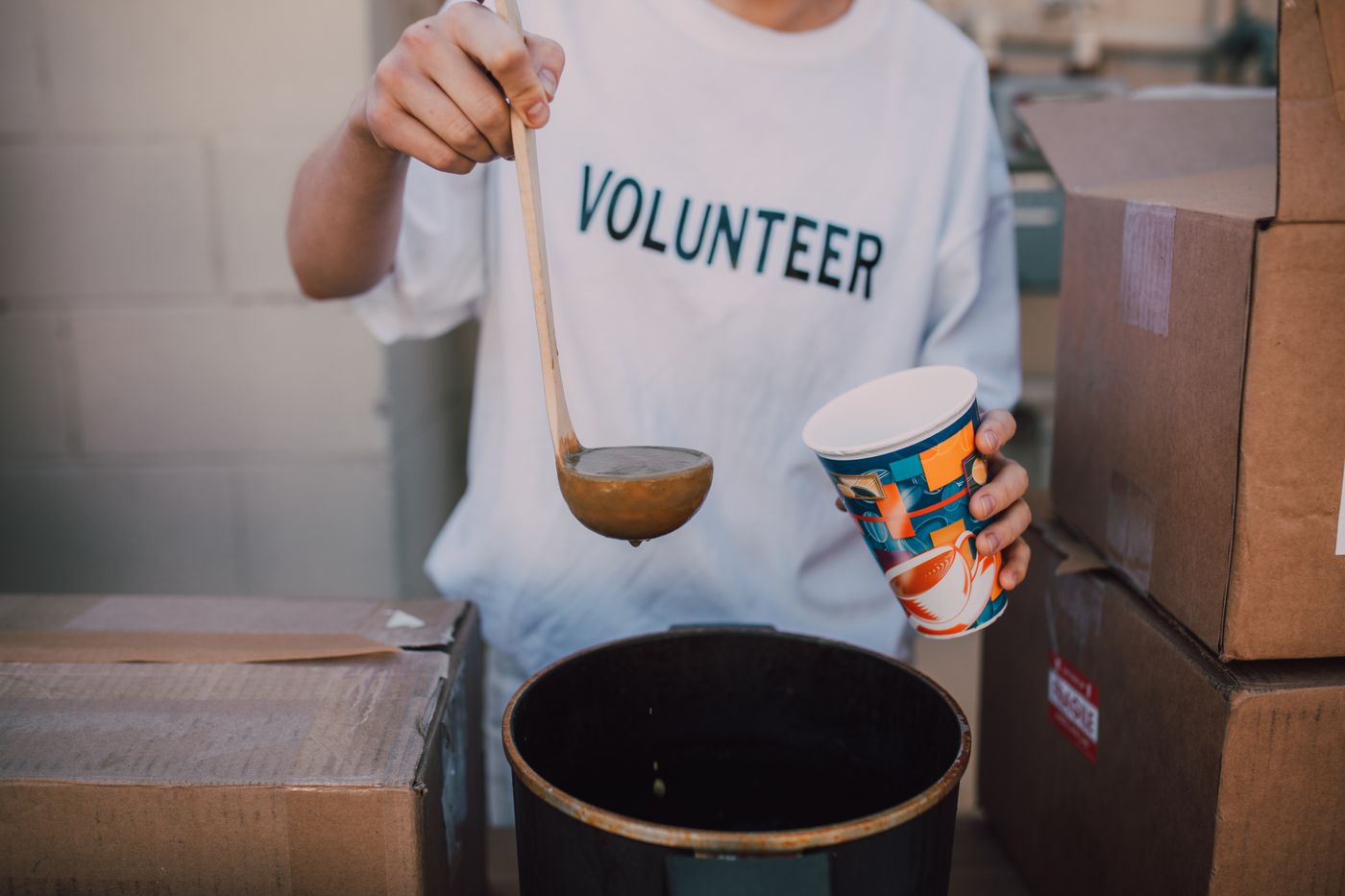
None of our champions did anything spectacular once. Each did something ordinary hundreds of times. The driver has missed two Saturdays in nine years. The walking club started with three people and now moves sixty. Reliability, it turns out, is a superpower hiding in plain sight.
They build infrastructure, not audiences
Ask what they need and nobody says followers. They want a van that starts, a room with outlets, a second pair of hands in December. Community work runs on logistics, not likes — a useful reminder for anyone trying to help from behind a screen.
“Heroes aren’t the people on the poster. They’re the people with the keys, who open up early and lock up late.”
Technology as a quiet helper
The coder’s story stuck with us: donated laptops, free evening classes, group chats where teens debug each other’s homework. Tools don’t replace presence, but in the right hands they multiply it — one patient adult, amplified across a whole estate.

How to champion your own block
- Pick one small, repeatable commitment — monthly beats heroic.
- Ask organizers what they need before offering what you have.
- Bring a friend; everything lasts longer in pairs.
- Learn names first, take photos later (or never).
The extraordinary contribution was never the act itself. It was the decision to keep doing it after the novelty wore off.